Until now, how ChatGPT described your business was largely out of your hands. It pieced an answer together from your website and whatever else it could find about you online, and in our Lighthouse data the four sources AI engines cite most when answering South African questions are YouTube, Facebook, Reddit and Wikipedia. The first South African organisation only appears fifth.
On 10 November OpenAI launched Businesses in ChatGPT, which changes that. Businesses can now claim an official profile inside ChatGPT, keep their information up to date and see how people engage with them. It's in beta, and South African businesses can claim theirs now.
What's changed
There are three parts to it.
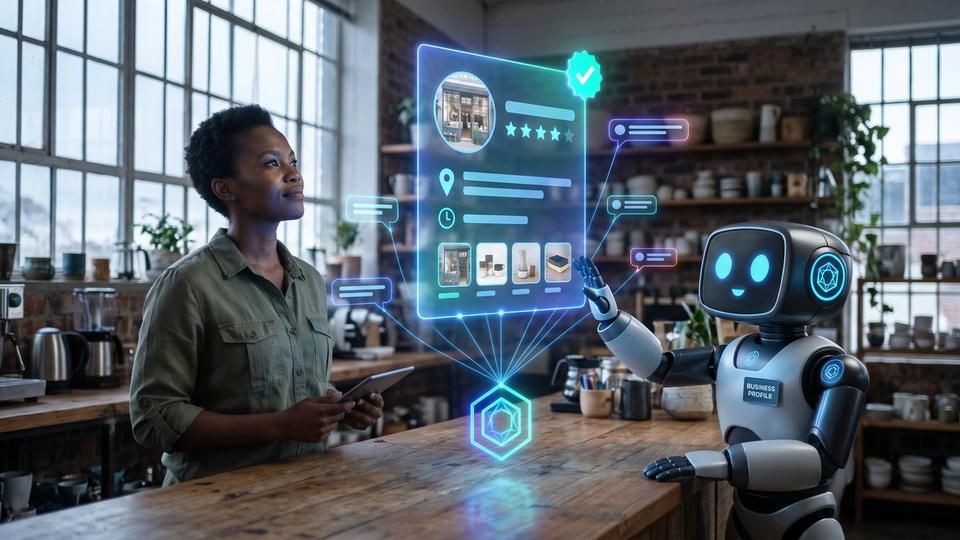
- A business profile you can claim. Through Business Hub, a new portal from OpenAI, a business can claim and verify its profile in ChatGPT, update its details and add a product feed with pricing and availability. When ChatGPT mentions a business in an answer, people can click through to that profile. Any eligible business in a market where ChatGPT is available can do this, and that includes South Africa.
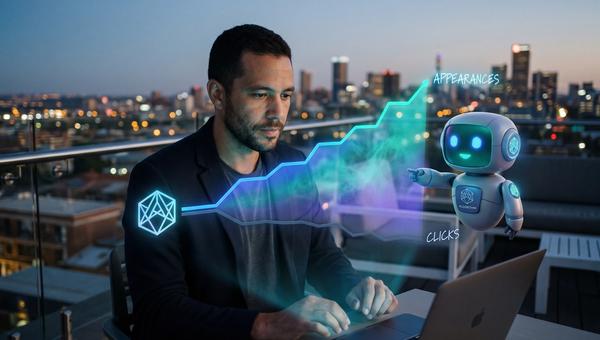
- Insights on how people find you. Once a profile is claimed, the business can see how often ChatGPT mentions it, how many people view the profile and click through to the website, and what OpenAI calls discovery topics - the common themes in conversations where the website is cited. OpenAI doesn't share the conversations themselves, and the numbers only show once there's enough volume to protect people's privacy.
- Business Agents. A business can build its own agent, which is a chat assistant that answers questions about its products and services, and customers can choose to talk to it from the profile. Businesses can also sponsor their agent and use it as the destination for ChatGPT Ads, so an ad opens a conversation rather than a website. This part is only open to ecommerce and online service businesses in the US for now.
Here are some thoughts, and what I think it means for businesses in South Africa.
The business profile
This could be the Google My Business moment for AI. We've done a lot of work with clients on the Google My Business side of things (now Google Business Profile), and it was and is a very powerful platform for businesses, so something in this space could be very powerful. The groundwork is the same - claim the profile, verify it and keep the details right. I think a lot of South African businesses still haven't got their Google listings right, so there's an opportunity here for the small and medium businesses that get this done early.
It matters even more for the categories that can't buy their way in. Under OpenAI's current ad policy, financial and health services are generally prohibited from advertising on ChatGPT outside the US, and legal services are prohibited, so for those businesses the profile and their organic presence are how they'll show up.
A lot of agencies built a business in the 2010s on claiming and fixing Google listings, and I'd expect to see ChatGPT profile setup sold the same way. It's a bit of a gold rush at the moment and marketers need to be sharp. Claiming and maintaining a profile is part of a properly run organic programme, the same as your Google Business Profile, and it shouldn't arrive as a new line on the invoice.
The information behind it
Whatever ChatGPT says about you from your profile, and whatever an agent says on your behalf, comes from the information you give it. I think most brands are going to be bad at this. In most businesses the product and policy information is spread across the website, the catalogue, the sales team and a few PDFs, and it's seldom all current.
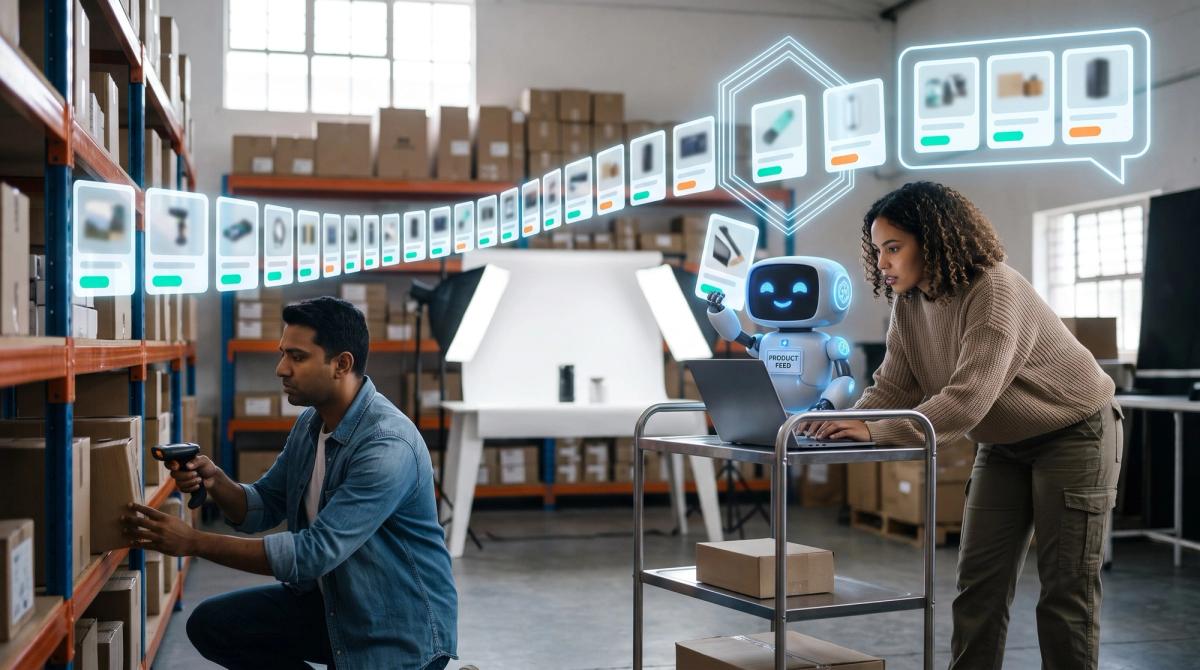
The product feed is the part I'd pay most attention to. It's not glamorous, but a clean feed with accurate titles, prices and stock is what ChatGPT will use to describe and compare what you sell, and in some ways it now matters as much as your content. I see it as part of organic rather than something separate from SEO - it's the same work showing up in a new place. Shopping in ChatGPT has been US-first, so it isn't clear yet how much a feed does for a South African store today. Anyone running Google Shopping should already have a feed in good shape though, and they'll be a step ahead when it does. There's no shortcut to getting this information right.
The insights
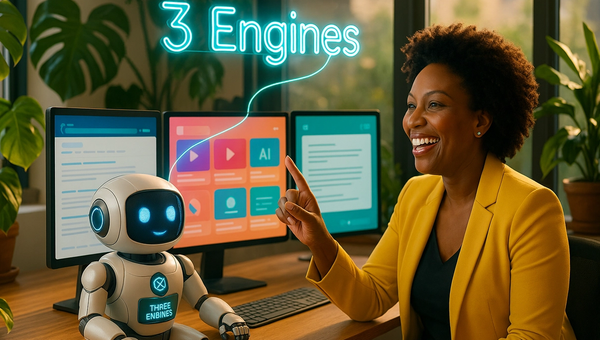
The insights are data from ChatGPT itself rather than a third-party estimate, which is a useful start. What they don't show is the prompts behind the mentions or how your competitors compare, so you still can't see why you're winning or losing. They also only cover one engine. In our Lighthouse data only 1.7% of the domains cited in South African answers appear on all three engines we track, so one dashboard can't tell you how you show up across AI search as a whole. You'll still need prompt-level research alongside it.
Discovery topics are the most useful part for planning. They show what ChatGPT already associates you with, which gives you a content calendar for free. The bigger opportunity is usually the topics where you should be cited and aren't, and those won't show up here.
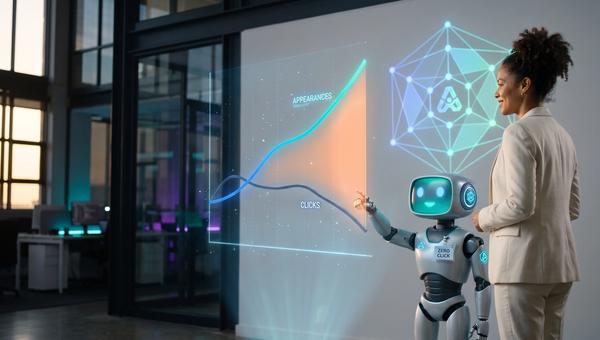
Businesses can't see the conversations either, so nobody knows yet which chats turn into sales. Attribution from ChatGPT is going to stay hard for a while. It's the same pattern we found in our zero-click study - the click is getting rarer, and the way we measure has to move with it.
Agents and ads
Business Agents aren't available in South Africa yet, but this is where I think it gets interesting. An ad can now click through to a conversation with the business's agent instead of its website. We've run ChatGPT Ads globally for a few clients, and since ads launched in South Africa on 21 October we've started running them for clients here too, so we're interested to see how the two integrate once agents arrive. Sending someone into a conversation about your products rather than onto a landing page changes what you measure and what you optimise for.

OpenAI says it plans to open agents up to more markets and business categories over time, but hasn't given dates. I'd expect local services to be next.
I'm not sure people want to talk to a brand's agent though. I think more and more they'll want their own agent to talk to it for them. Either way, whatever answers on the business's side is working from the same information, which takes it back to getting that right.
Where to start
OpenAI puts ChatGPT at 1.2 billion weekly users, and in South Africa ChatGPT sends about two-thirds of the traffic AI chatbots refer to websites (Statcounter, October 2026). If you're eligible, I'd claim your profile this week.
- Claim and verify your business in Business Hub. Shopify merchants can connect their store from Business Hub or the Shopify admin, and existing OpenAI Enterprise customers and advertisers can go through their OpenAI representative.
- Check the details against your website and your Google Business Profile so the name, description, contact details and links all match.
- Get your product feed in order and give it an owner, the same way you would a Google Shopping feed, so stock and prices stay current.
- Once the insights start coming through, add mentions, website clicks and discovery topics to your monthly organic reporting, alongside how you show up on the other AI engines.
- If you're running ChatGPT Ads or planning to, keep an eye on Business Agents as a destination for when they open up in South Africa.
If you want a hand with any of this, please shout.